Understanding the Benefits of Portable Solar Energy Storage Solutions
Solar energy is transforming how we charge devices in remote locations. A reliable solar power bank ensures you never run out of battery during critical moments. These tools combine renewable energy with practical storage, making them ideal for hikers and travelers. You can keep your phone, tablet, or laptop powered without searching for outlets.
The modern lifestyle demands constant connectivity, yet power sources are often scarce. Outdoorsy individuals face this challenge daily. A high-quality unit provides a seamless solution by capturing sunlight directly. This technology has evolved significantly, offering faster charging speeds and larger capacities. Understanding these devices helps you make a smarter purchase.
Core Advantages Of Portable Solar Charging
Using sunlight to charge your gadgets offers distinct benefits over traditional methods. First, it is eco-friendly by nature, reducing reliance on grid electricity. Second, it provides infinite reach, allowing you to charge anywhere the sun shines. Third, it enhances safety during storms when main power fails.
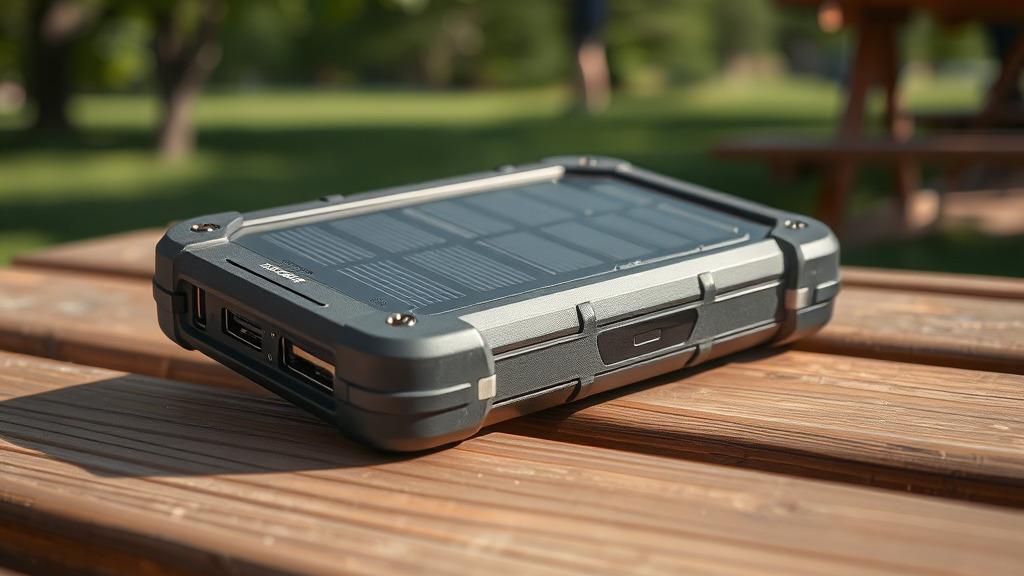
Many users appreciate the silence of operation compared to generators. There are no fumes or moving parts to worry about. This makes solar solutions safer for use in closed spaces where ventilation is limited. The environmental impact is also minimal, as these devices do not produce carbon emissions during operation.
Key Components To Consider
When selecting a device, look at the panel efficiency and battery capacity. Most modern units feature advanced photovoltaic layers for better absorption. The battery size, measured in power capacity, determines how long you can charge your devices. A unit with 10,000 mAh can typically recharge a smartphone two to three times.
- Check the charging speed to ensure it matches your device needs.
- Verify the interface options for multi-device charging.
- Look for IP ratings if using it in harsh conditions.
Practical Applications In Daily Life
These devices are not just for emergencies; they serve many daily functions. Hikers use them to power GPS units and cameras deep in the forest. Campers rely on them to keep lights and communication tools active overnight. Even urban commuters use them to top up phones during long commutes where outlets are unavailable.
Consider the travel duration when choosing a battery size. For a weekend trip, a 5,000 mAh unit may suffice. For longer expeditions, you might need a 20,000 mAh or larger capacity. The portability factor also matters, as you will carry it in your pack.
- Assess your energy usage per day.
- Calculate the required charge count for your trip.
- Select a unit that exceeds this requirement by a safety buffer to account for cloudy days.
Performance Metrics And Real-World Data
Understanding the charging time helps set realistic expectations. A 20W panel in direct sunlight might take 5 to 7 hours to fully charge a large battery. In indirect light, this time can double or triple. The ambient heat also affects efficiency, as extreme heat can reduce performance.
Below is a simple comparison of common use cases:
| Device Type | Average Power Draw | Estimated Full Charge Time |
|---|---|---|
| Smartphone | 10 Watts | 2 to 3 hours |
| Tablet | 15 Watts | 4 to 5 hours |
| Laptop | 65 Watts | 8 to 10 hours |
Note that these times assume optimal weather and a fully charged solar bank. Real-world conditions will vary based on your location and season.
Final Thoughts On Choosing Your Device
Investing in a solar power bank is a smart move for anyone who values independence. It reduces anxiety about power outages and supports sustainable living. Look for brands that offer warranty support and clear specifications.
By understanding the energy conversion principles and your specific needs, you can find the perfect match. Whether for travel, work, or emergency, this technology provides reliable backup in an increasingly connected world. Choose wisely to maximize your power autonomy on the go.
Find out more on - solar power banks